

8 Copywriting Tips for Web Design & Online Marketing Success
Alan Robezzoli • July 13, 2013
Writing persuasive copy for online viewing differs greatly from writing for magazine articles and for most other printed copy. Great web design and content marketing involves much more than creating attractive graphics. Your website copy is the key to attracting viewers, to engaging them, and to converting viewers into prospects and customers. Here are some tips for writing great online copy to satisfy all three goals.
Keep It Pithy
When writing website and other online content it’s extremely important to keep the information flowing quickly. Don’t terrorize your readers with long paragraphs and confusing text. Online viewers tend to be impatient because other options are just a quick Google search away. Therefore, find ways to communicate your message in as few words as possible. Keep your paragraphs short and use subtitles generously in your copy to aid readers who want to skim your information before reading certain paragraphs more closely.
Copywriting to Sell
Write sales copy with a WIFM (what’s in it for me – the customer, that is) mentality. Decide how and why a customer may benefit from your product or service, and then work those reasons into your copy. Sure, there are times when being subtle is the right strategy, but often it is better to be quick and direct with your message, keeping in mind the impatience factor noted above. After quickly getting to the WIFM message, provide the details lower down in the copy or in a linked sub-page for those who want to learn more. That approach satisfies the need for speed whlie also providing helpful details that may be required to complete the sale or to encourage the viewer to take the next step.
Create a Clear Call to Action

Studies have shown that clearly stating the obvious
is often the best approach when it comes to creating an effective call to action. For example, buttons and other clickable images frequently gain more clicks when accompanied by the words “click here” or by an arrow or image of a mouse pointer hovering over the button as if it were about to click the image. Remember, people are frequently in a hurry, so connect the dots for them.
Make it Easy to Find and Easy to Follow Through
Think about what you want your viewers to do, the benefits they will receive by doing it, and then make it incredibly easy for them to find your call to action, combining a clear message with attractive graphics. Where possible place your call to action “above the fold”, meaning on the upper portion of your web page where it can be seen without scrolling on a laptop device.
Match Your Message to Your Audience
How well do you know your target audience or your best type of customer? How well does your copywriting appeal to their emotions and needs? For example, if you sell beauty products or apparel, would customers want to use your products primarily to appear more youthful or to look more professional? Is your message and imagery in line with their needs and the benefits of your products?
A strong and well-placed testimonial can be used to add a persuasive boost to your copy. Demonstrate how the product or service has helped others, perhaps starting with an eye-catching opening statement in bold text, followed by a short paragraph and perhaps a link to additional testimonials.
Headlines and Bulleted Lists
Breaking up copy with bold headlines and subtitles as described above keeps things moving and helps keep the reader engagad. In a similar way, bulleted lists can be used to help readers quickly understand your key points.
Copywriting Checklist
In summary, here is a quick list of 8 things to keep in mind when writing your online copy:
We’re Here for You - Call Us if You Need Help
Please contact us
if you need assistance in writing persuasive, search engine optimized copy for your website, online ads, or other marketing materials.

On-page SEO guide for small businesses: map keywords to pages, write title tags and meta descriptions, structure headings, and build internal links that rank.

Google Ads campaign structure explained: when to split campaigns, how tight ad groups should be, which match types to use, and how audience targeting works.
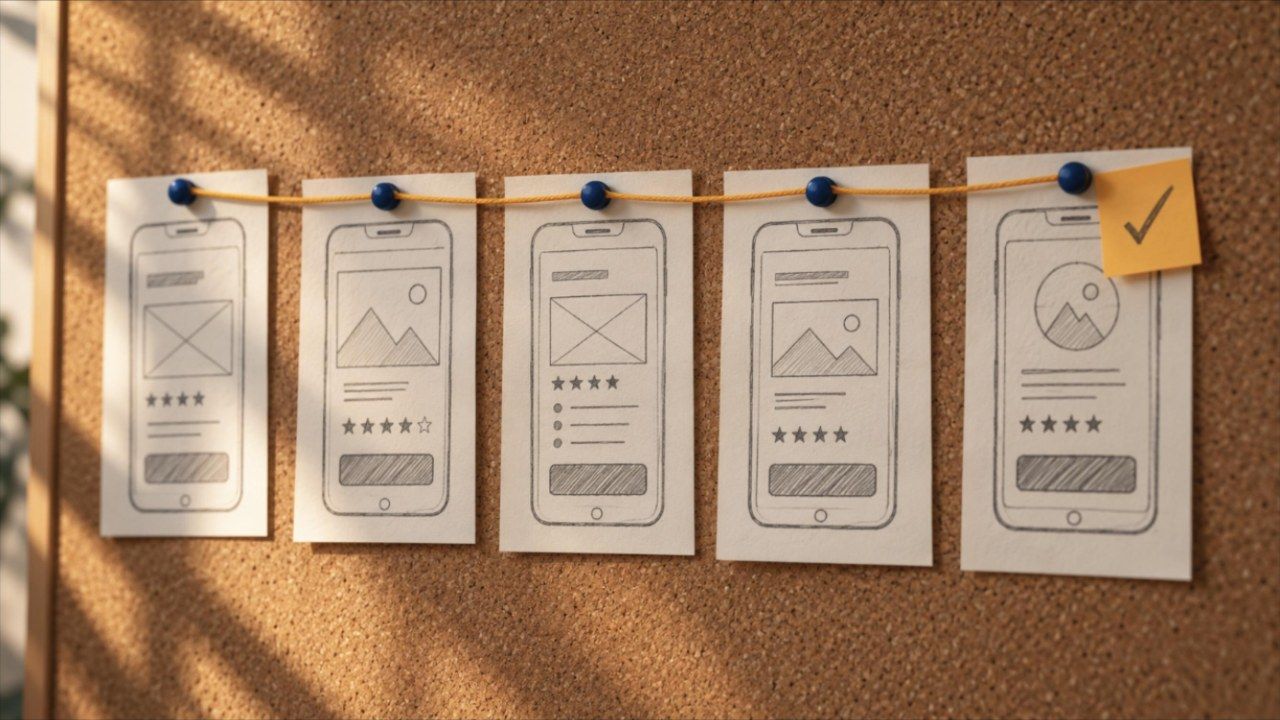
Conversion-focused web design explained: page order, messaging, phone-first layout, CTA design, short forms and landing pages that turn visits into leads.

Marketing analytics for small business, explained: GA4 tracking, funnel KPIs, attribution, cost per lead, ROI and reports that turn data into decisions.

Google Ads for small business done right: structure, landing pages, conversion tracking, bidding, LSA and weekly optimization that turn clicks into real leads.

Small business SEO explained: on-page, link building, local Map Pack, technical SEO, E-E-A-T, AI answers and the KPIs that predict revenue for PA businesses.