

Create a Great Mobile Marketing Campaign
Alan Robezzoli • June 3, 2018

One of the common
tenants of advertising and marketing is to be where your potential customers
are, and today, many more of them are searching on their mobile devices than ever before.
According to Statista,
as of August 2017, there are over 3.5 billion unique mobile Internet users, and
they’re using those devices to research before making a purchase offline. In
fact, Forrester
reports that mobile-influenced offline spending is already over $1 trillion,
and experts
are predicting
that mobile advertising will represent 72% of all U.S.
digital ad spending by 2019.
If you aren’t reaching out to your audience on mobile
devices and providing an exceptional
mobile experience, you’re missing out on a huge
piece of the pie.
Here are Some Helpful Tips for Creating a Mobile Marketing Strategy
Understand that People Use Desktop and Mobile Devices Very Differently
Just because certain
text and keywords have worked on desktop advertising, doesn’t mean they will
work with mobile advertising. People’s needs and uses are often unique to
specific devices.
This means that you
should measure the results of your desktop and mobile ads separately to help
determine what is working best for each
device. It also means you need to understand
your audience’s habits and behaviors when they’re using their mobile devices
and use that information to create a mobile advertising strategy.
So if you want to increase your conversion rate, create mobile-only
ads that drive mobile users to mobile-only landing pages. Here are two tactics.
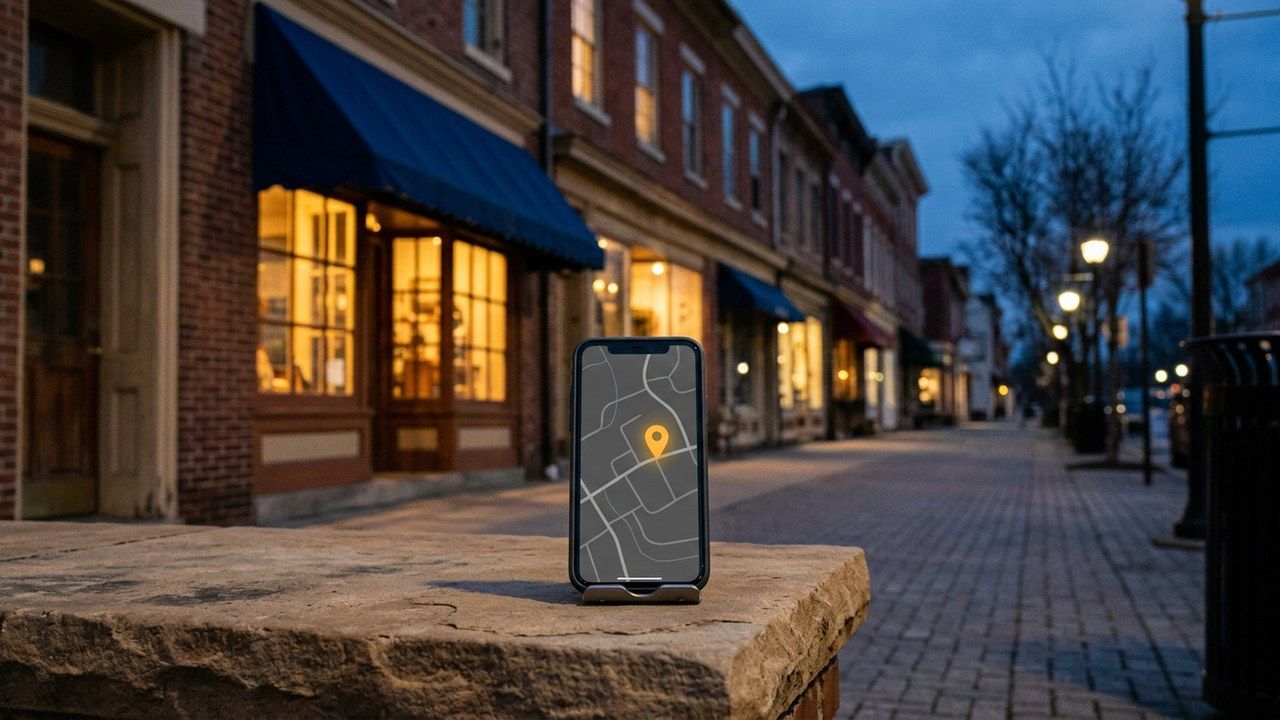
Use Location-Based Online Advertising Campaigns
78% of consumers say they would be receptive to mobile ads
that relate to their interests. Today’s consumers expect advertisements that are customized and personalized to them, and today’s technology
makes that possible.
Location-based advertising is one way to tailor your ads.
Here are three (and there are many more) benefits of location-based
advertising:
·
Allows smaller businesses to compete with larger
brands
·
Allows you
to deepen your relationship with customers who feel like you truly know them
·
Allows you
to measure offline activity
It’s always important to understand WHO your target audience
is, and this is especially true with location-based advertising. So make sure
that you know who your target audience is and that you understand them – their
needs, their behaviors, etc. Only then can you create ads that are relevant and
timely to them
Location-based advertising should be a part of an overall
marketing plan, not an isolated tactic. Know what your next step will be when that
consumer leaves the area of your location-based campaign. Know how you will
continue to nurture that relationship.
Consider Using SMS Campaigns
An SMS (Short Message Service) campaign is similar to an
email campaign, but instead of sending a message via email, you’re sending it
via text. Done correctly, SMS campaigns
can be very effective.
Some of the benefits of this type of campaign include the
following:
·
They’re instant
·
They go directly to the consumer
·
More than 95% of SMS received are opened and
read (many times the open rate of emails!)
Email and SMS share many of the same dangers. Both can come
across as being spammy, so just like email marking it’s essential that you get permission from recipients before you begin
sending them texts. And if you don’t want them to opt out of your texts, create unique messages that offer real
value and keep them engaged.
If
you don’t already have a mobile marketing strategy in place, it isn’t too late
to capture a piece of that $1 trillion mobile-influenced offline spending. First,
identify and understand who your target market is, determine your goals, create
mobile ads tailored to them, and then measure the results and adjust as needed.
Get Up and Running Fast with Mobile Marketing
Do you like the idea of implementing mobile marketing, but
don’t have the time to do it right? We’re here to
assist with all your online marketing needs. We have the experience and the
technology to do it right, and at a reasonable cost. The initial consultation
is free, and there’s no obligation.
So
call PMI today at (484) 297-6395
or contact us online
.


On-page SEO guide for small businesses: map keywords to pages, write title tags and meta descriptions, structure headings, and build internal links that rank.

Google Ads campaign structure explained: when to split campaigns, how tight ad groups should be, which match types to use, and how audience targeting works.
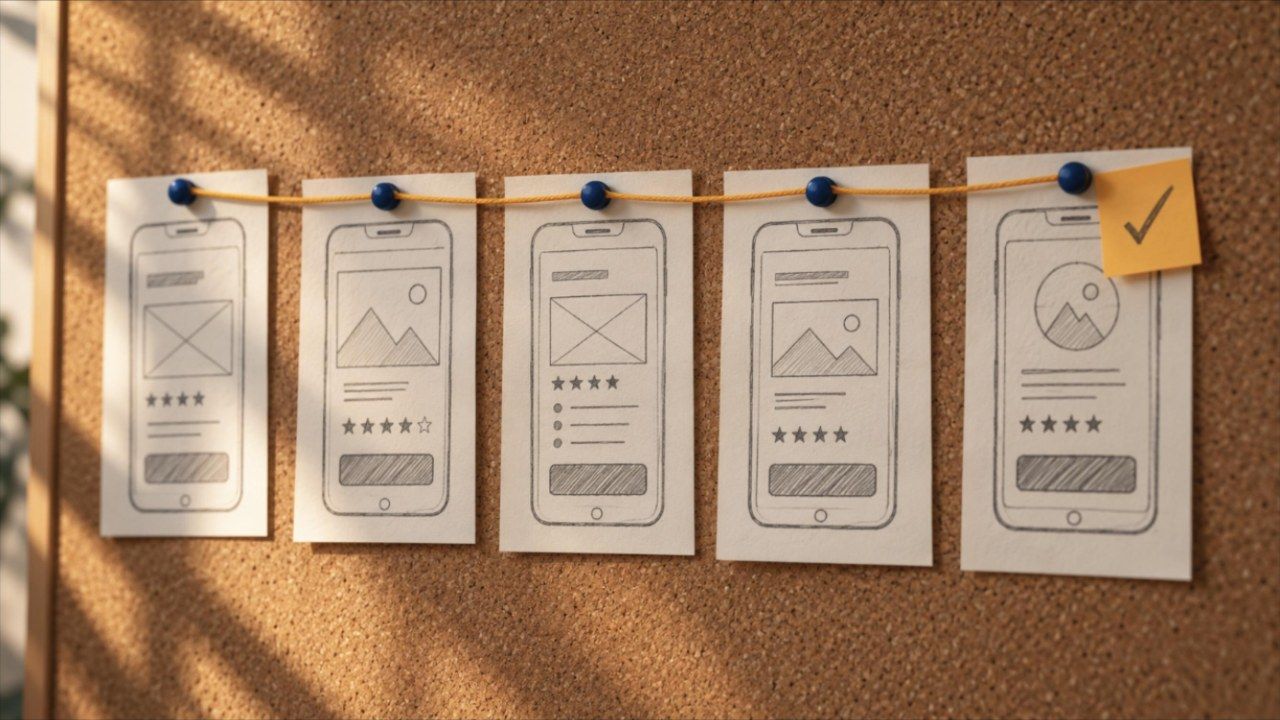
Conversion-focused web design explained: page order, messaging, phone-first layout, CTA design, short forms and landing pages that turn visits into leads.

Marketing analytics for small business, explained: GA4 tracking, funnel KPIs, attribution, cost per lead, ROI and reports that turn data into decisions.

Google Ads for small business done right: structure, landing pages, conversion tracking, bidding, LSA and weekly optimization that turn clicks into real leads.
Small business SEO explained: on-page, link building, local Map Pack, technical SEO, E-E-A-T, AI answers and the KPIs that predict revenue for PA businesses.