

5 Must-Have Calls to Action for your Online Marketing
Alan Robezzoli • February 15, 2014
A key goal of both traditional and online marketing has always been to elicit a response from your target audience. Whether you’re advertising in a newspaper, sending an email, or creating a website, your underlying goal is to get customers and prospective customers to take some kind of action. It might be to create a […]
A key goal of both traditional and online marketing has always been to elicit a response from your target audience. Whether you’re advertising in a newspaper, sending an email, or creating a website, your underlying goal is to get customers and prospective customers to take some kind of action. It might be to create a call to purchase a product. Or it may just be to encourage them to learn more about your product or service, how you can solve a problem for them, or why you’re the best person for the job.
This is Known as a “Call to Action” or CTA
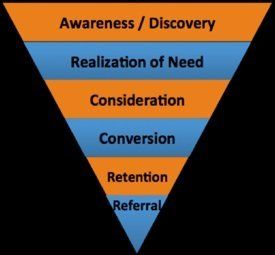
Your CTAs Should Not be Generic
They need to be tailored
to your different audience members. Are you trying to make a first-time visitor aware of your product or service? Are you trying to help prospects evaluate your product or service? Are you trying to get prospects to make a purchase? You could probably answer yes to all of these questions at one time or another as a (potential) customer progresses through the sales cycle.
When developing CTAs for your website, consider where each person along the sales cycle is likely to go within your website, decide what action you want them to take, and then create an eye-catching and persuasive CTA that is appropriate for them.
Here are 5 Types of CTAs Every Website Should Have
1. Lead Generation
– Here you’re trying to turn visitors into leads. First, decide where most of your new visitors will go on your website – possibly your blog. Then invite them to download a whitepaper or tip sheet, a how-to video or a webinar.
2. Form Submission
– Once someone visits your website, you don’t want to lose the chance to turn that visitor into a lead. In order to do that, you need to collect information from them, and the best way to do that is to provide a marketing offer, such as an e-book, a webinar, a free trial, or a coupon, in exchange for their information.
3. “Read More” Button
– Any time you have longer content – such as a blog post, customer case study page, or press newsroom – entice your audience with a “Click here to continue reading.” In addition to allowing you to make the content easier to scan through, this method also provides a more accurate analysis of what your audience is interested in.
4. Social Sharing
– This is one of the simplest calls to action (“Like us on Facebook”, “Follow us on Twitter”, etc.). It’s a low-commitment way for your audience to engage with your brand and allows them to share your business with their friends. A good place for this type of CTA is on your blog posts and landing pages.
5. Lead Nurturing
– Sometimes people are interested in your product or service, but aren’t quite ready to commit. They’re further along your sales cycle. Here you want to entice them with some type of offer aligned very closely with your product or service, such as a product demo, a free trial, or a free quote. Also consider targeting them with a series of email messages appropriate to where they are in the sales funnel based on their response to an offer.
As your business grows and matures, your online marketing strategy and web marketing efforts will typically become more complex and require different types of CTA’s; however, when you’re first starting out, these 5 CTAs are a great place to start.
Need Help with Your CTAs? Contact PMI.
Looking to develop effective calls-to-action to support your online marketing efforts? Contact us today at 484-297-6395 .

Marketing analytics for small business, explained: GA4 tracking, funnel KPIs, attribution, cost per lead, ROI and reports that turn data into decisions.

Google Ads for small business done right: structure, landing pages, conversion tracking, bidding, LSA and weekly optimization that turn clicks into real leads.

Small business SEO explained: on-page, link building, local Map Pack, technical SEO, E-E-A-T, AI answers and the KPIs that predict revenue for PA businesses.

Marketing-driven web design builds sites that rank, load fast, and convert. See the strategy, speed, SEO, and CTA principles that grow Pennsylvania businesses.

What is local SEO and how can it boost your business? Find out the latest tips and insights to improve your online visibility from Power Marketing International.

Advertising and marketing share similar objectives, but they’re deployed differently by brands — and serve different purposes.