

6 Ways to Improve Website Usability to Generate More Sales
Alan Robezzoli • February 5, 2022

A big part of any
internet marketing strategy
is driving traffic to your website using Digital Marketing (SEM), Search Engine Optimization (SEO), etc., but the
experience
those visitors have once they get to your website is equally important
. Therefore, if you want your website to provide leads, convert visitors, and help you accomplish your goals, you need to
design your website
with usability in mind.
What is Website Usability?
Why Does Website Usability Matter?
As we said earlier
,
if you want your website to provide leads, convert visitors, and help you accomplish your goals
, website usability is critical. Here’s why…
- 57% of people say they won’t recommend a business if they have a poorly designed website on a mobile device.
- If images don’t load (or take too long), 39% of people will stop engaging with a website.
- If a website’s content or layout is unattractive, 38% of people will stop engaging with it.
- 88% of online consumers said they were less likely to return to a website if they’ve had a bad experience with it.
What Makes a Website Useable?
A useable website is intuitive. It understands how visitors will use your website and makes it easy to do so. A useable website is also pleasing aesthetically - on any device. A useable website is engaging, enhances customer satisfaction, increases conversions, and improves SEO rankings.
Visitors aren’t going to take a lot of time trying to find what they are looking for on your website. They need to find the information in as few clicks as possible, or they’ll move on to your competitor’s website. A useable website helps keep visitors on your website longer.
Visitors aren’t going to take a lot of time trying to find what they are looking for on your website. They need to find the information in as few clicks as possible, or they’ll move on to your competitor’s website. A useable website helps keep visitors on your website longer.
6 Tips for Designing a Useable Website
Quality links
If you’re linking to pages outside of your website, make sure that you are sending people to reputable websites that provide truly helpful information. Make sure that hyperlinks – the word, phrase, or image they can click on – provide a clear idea of where you are sending them. Regularly check your links to make sure they still work.
Consistency Keep colors, fonts, information, and graphics consistent across your website pages. It makes each page recognizable to your visitors. If you change it up too much, they may think they’ve left your site. Plus, consistency is key to building brand awareness.
Easy to Navigate Your website needs to be easy to navigate. It doesn’t matter how beautiful your website looks or how many bells and whistles it has; if visitors can’t find what they’re looking for quickly, they’ll move on.
Navigation links should not be ambiguous or confusing; they should be easy to find and lead visitors to the destination they describe. With few exceptions, your contact information should be on every page. If you are a brick & mortar store, your address should also be on every page.
Readability Visitors to your website need to be able to consume your content quickly and easily. Therefore, choose clean, legible fonts (Sans Serif is always a safe choice) and make them big enough to be easily read on any device.
The font and background color should never compete, making it difficult to read (for example, a blue font on a red background is always a bad choice). Also, be sure to provide ample “whitespace” between sections of text.
Your text should be concise and well-written, using shorter sentences and paragraphs. Use bolding or italics for emphasis (underlining typically indicates a link). Include bullet points and subheadings to make your pages easier to scan. Put the most important information near the beginning.
Convenience and Speed Your website pages should load quickly, broken links should be fixed, and the design should work well on any device, especially smartphones. A useable website allows visitors to find what they’re looking for quickly - requiring as few links as possible. A FAQ page is a great way to address customers’ concerns quickly.
Credibility People need to trust your business before they ultimately purchase your product or service. You can increase trust by following these guidelines:
- Include testimonials and 5-star reviews from local business directory sites.
- Put a face to your organization by using your own photos (as opposed to stock photos) whenever possible, including pictures of you and/or your team.
- Include professional affiliations or memberships, such as the local chamber of commerce.
- Highlight articles you’ve written that have been published, or articles written about your business.
- Add a privacy policy and terms of use.
- Keep your website fresh by posting updates on a regular basis.
Create an Effective Online Marketing Strategy!
Your website should be the hub that connects and unifies all your online marketing and advertising activities.
PMI can take the guesswork out of the ever-evolving world of online marketing by designing a website that provides leads, converts visitors, generates sales, and helps you accomplish your goals.
Give us a call today at 484-297-6395 or contact us online .
PMI can take the guesswork out of the ever-evolving world of online marketing by designing a website that provides leads, converts visitors, generates sales, and helps you accomplish your goals.
Give us a call today at 484-297-6395 or contact us online .

On-page SEO guide for small businesses: map keywords to pages, write title tags and meta descriptions, structure headings, and build internal links that rank.
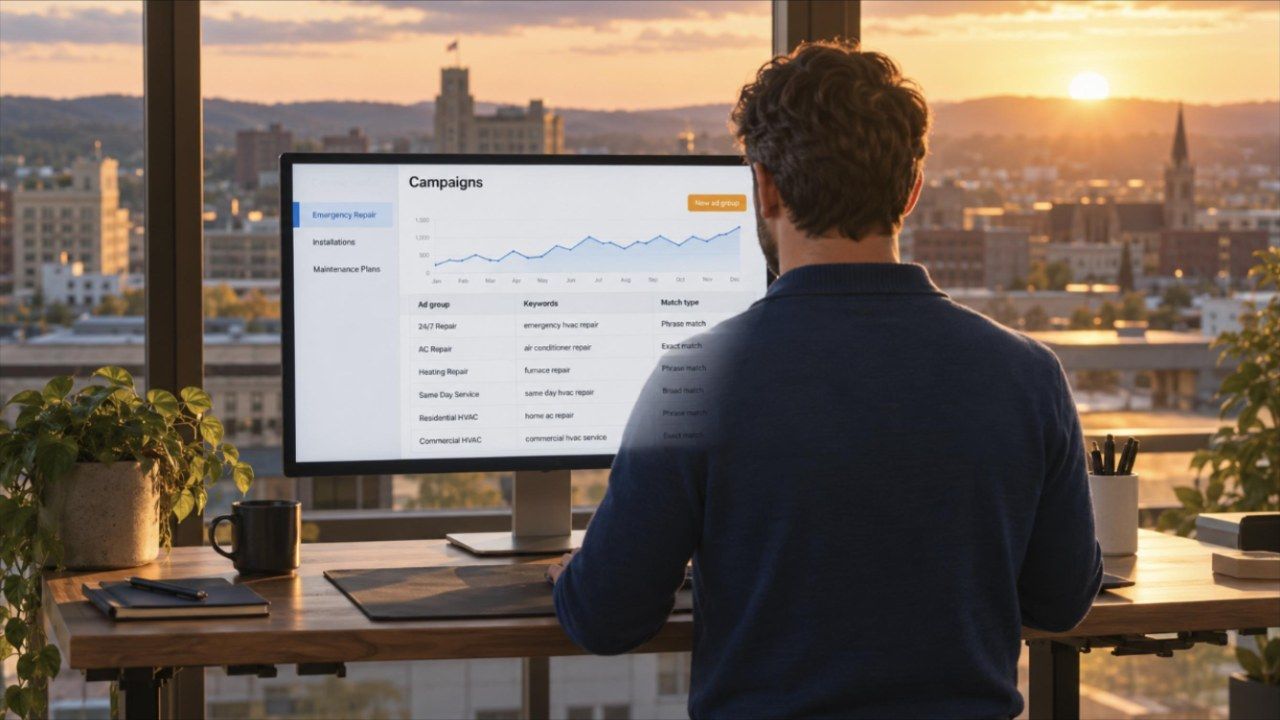
Google Ads campaign structure explained: when to split campaigns, how tight ad groups should be, which match types to use, and how audience targeting works.
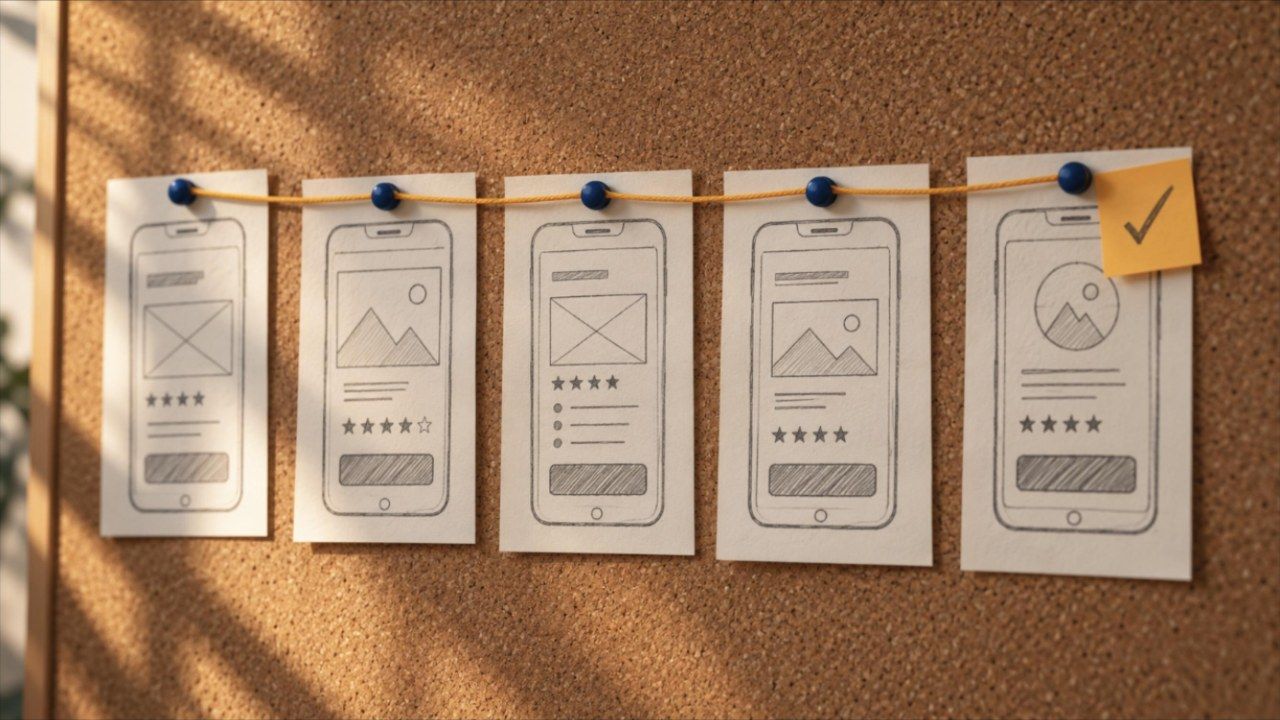
Conversion-focused web design explained: page order, messaging, phone-first layout, CTA design, short forms and landing pages that turn visits into leads.

Marketing analytics for small business, explained: GA4 tracking, funnel KPIs, attribution, cost per lead, ROI and reports that turn data into decisions.

Google Ads for small business done right: structure, landing pages, conversion tracking, bidding, LSA and weekly optimization that turn clicks into real leads.
Small business SEO explained: on-page, link building, local Map Pack, technical SEO, E-E-A-T, AI answers and the KPIs that predict revenue for PA businesses.