

What Customers Want from Your Website Design
Alan Robezzoli • April 20, 2021

The COVID pandemic was a game-changer for how many companies did business, including web design. It's no surprise that there was a significant uptick in online use during the pandemic. According to Salesforce, 61% of consumers said they plan on continuing to spend more time online after the pandemic than they did before. Salesforce also reported that 68% of consumers have higher expectations for businesses' digital capabilities.
Savvy marketers are taking advantage of this information, keeping an eye on what is happening in web design, and adjusting to meet their customers' changing wants and needs. Here are three website design trends that came to the forefront in 2020, and we expect to continue into 2021 and beyond.
User Experience (UX)
The need for a great user experience is nothing new, but as more people turned to the internet during the pandemic, it became even more crucial. According to
HubSpot
, 39% of people will stop engaging with a website if the images don't load or take too long to load. Furthermore, 38% of people will stop engaging with a website if the layout or content is not attractive.
This means – more now than ever - your website needs to be intuitive, easy to navigate, pleasant to look at, and quick to respond.
As more people are making purchases from your website, a focus on your customers' online shopping experience is crucial. Customers expect to be able to quickly search and find the products or services they are looking for and then quickly and easily find information and images about those products or services. A good photo, main selling points, a concise product description, and call-to-action (buy now or add to cart) should be above the scroll line, with additional information available with a click or as they scroll down.
Responsive Design
A responsive design goes back to providing a great user experience. There are more than five billion smartphone users globally, and more than 50% of all web traffic is from a mobile device.
Statista
reports, "In 2021, 53.9 percent of all retail e-commerce is expected to be generated via m-commerce."
Being mobile-friendly is no longer enough. Your website, marketing emails, etc., all need to be mobile responsive. That means the layout and content are adjusted to respond to the viewers' screen size – whether it's a desktop, a tablet, or a cell phone.
Being mobile-friendly is no longer enough. Your website, marketing emails, etc., all need to be mobile responsive. That means the layout and content are adjusted to respond to the viewers' screen size – whether it's a desktop, a tablet, or a cell phone.
Trust
People continue to do business with companies they trust. Online, you don't have the opportunity for that face-to-face interaction, but there are other ways you can build trust on your website:
If you want to create loyal, repeat customers who also refer you to their friends and family, provide trust-building content on your website.
- Make sure the website is HTTPS Secure
- Use consistent branding and messaging
- Provide customer testimonials, reviews, or ratings
- Share case studies
- Share certifications and awards
- Educate customers
- Keep the site up-to-date
- Delete broken links
- Make it easy for visitors to contact you
- Share information about charitable or community-based activities or contributions
If you want to create loyal, repeat customers who also refer you to their friends and family, provide trust-building content on your website.
How to Pull it All Together
Your online presence is more important than ever! PMI constantly monitors new trends in web design, so you don't have to. We design marketing-driven websites that attract traffic from search engines, create a great user experience, and convert visitors to paying customers.
In fact, we can create and execute a focused online marketing strategy – including web design, social media marketing, email marketing, branding services, and more - to help you achieve your business goals. Give us a call at 484-297-6395 or contact us online to schedule a free consultation.
In fact, we can create and execute a focused online marketing strategy – including web design, social media marketing, email marketing, branding services, and more - to help you achieve your business goals. Give us a call at 484-297-6395 or contact us online to schedule a free consultation.

On-page SEO guide for small businesses: map keywords to pages, write title tags and meta descriptions, structure headings, and build internal links that rank.
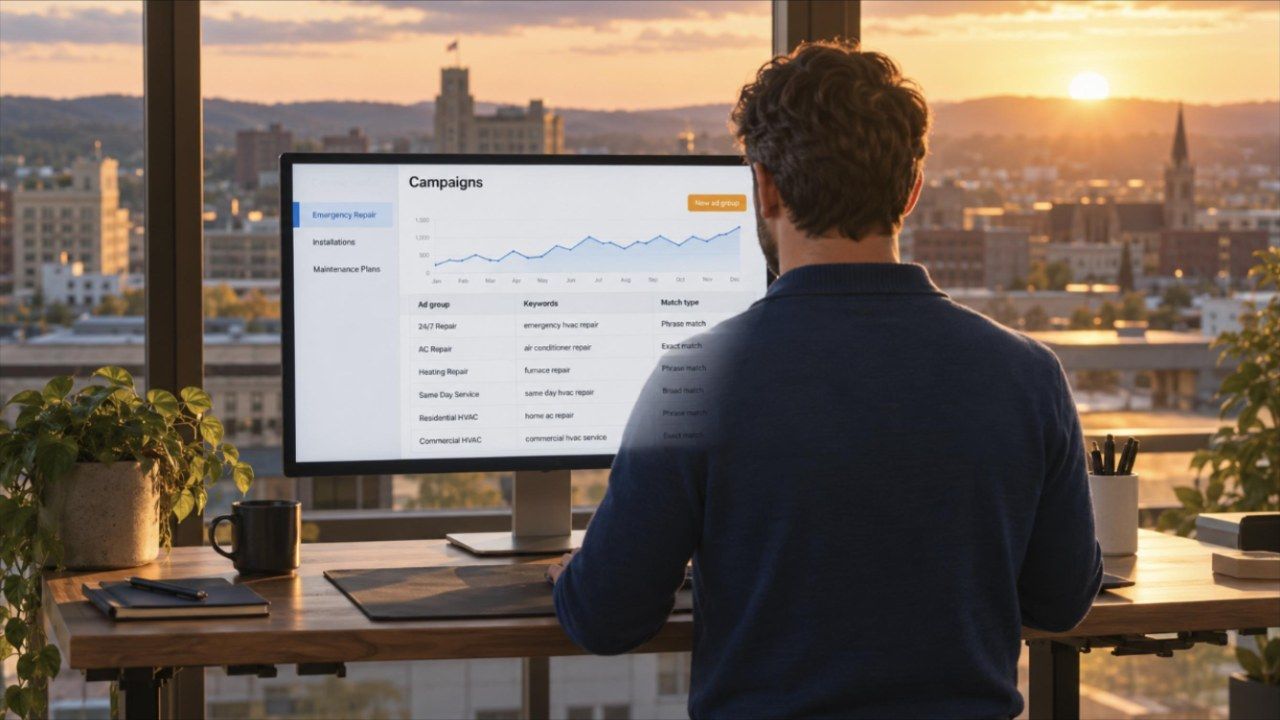
Google Ads campaign structure explained: when to split campaigns, how tight ad groups should be, which match types to use, and how audience targeting works.
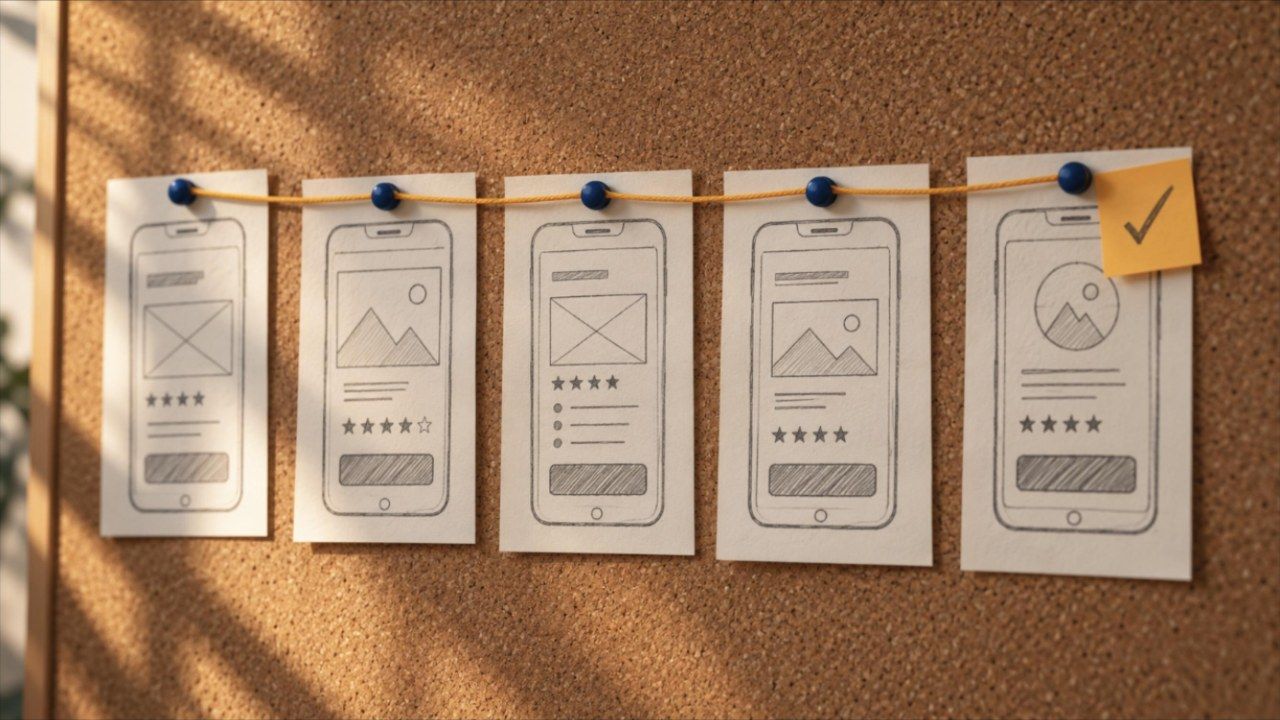
Conversion-focused web design explained: page order, messaging, phone-first layout, CTA design, short forms and landing pages that turn visits into leads.

Marketing analytics for small business, explained: GA4 tracking, funnel KPIs, attribution, cost per lead, ROI and reports that turn data into decisions.
Google Ads for small business done right: structure, landing pages, conversion tracking, bidding, LSA and weekly optimization that turn clicks into real leads.
Small business SEO explained: on-page, link building, local Map Pack, technical SEO, E-E-A-T, AI answers and the KPIs that predict revenue for PA businesses.