
Which Will Help You Achieve Your Business Goals - SEO or SEM?
Alan Robezzoli • May 18, 2021

A question we frequently get about online marketing or internet marketing is, “Which will help me achieve my business goals – SEO or SEM?” The answer is it varies for every business. The goal of both is to increase your website’s visibility on search engine results pages (SERPs), such as Google, and drive more traffic to your website.
Each strategy has its advantages, which are essential to understand to determine which – SEO or SEM (or a combination of both) – will help you achieve your goals.
What is SEO?
SEO (Search Engine Optimization) is a process intended to increase your website’s visibility on search engine results pages (SERPs)
ORGANICALLY,
meaning without advertising
. That is done by creating a website that appears near the top of the SERP when someone searches for your product or service online. Typical SEO strategies include improving your website user experience, designing for mobile, using the right keywords in the right places, link building, etc.
What is SEM?
SEM (Search Engine Marketing) is also known as Pay-Per-Click (PPC) advertising, or Paid Search Engine Marketing. With SEM, you pay search engines, such as Google, to increase your website’s visibility on SERPs. You can target your ads based on criteria such as keywords, geographic location, time of day, day of the week, etc.
The most significant difference between SEO and SEM is that SEO is organic, and SEM is paid, but that still doesn’t tell you which will help you reach your goals.
The most significant difference between SEO and SEM is that SEO is organic, and SEM is paid, but that still doesn’t tell you which will help you reach your goals.
SEO vs. SEM
Location on SERP:
Paid ads can appear above or below organic listings on a SERP. They are identified as ads, with the word “Ad.” Organic listings are located below paid listings and tend to take up more space than paid ads.
Search Criteria: As we said earlier, with paid ads, you can use several things to target your audience – keywords, geographic location, etc. With SEO, the leading search criteria are keywords, which makes keyword research even more crucial. For SEO to be successful, you need to study your niche, look at what keywords your competitors are using, identify long-tail keywords, consider search intent, etc.
ROI : It’s an old analogy, but it works… If SEM is a sprint, SEO is a marathon. Once you start using SEM tactics, you should see almost immediate results. It will take longer – probably months – to see results with SEO. On the other hand, once you stop paying for ads, you will immediately stop seeing results with SEM. In contrast, the results of SEO tend to increase over time.
Click-Through-Rate: The Click-Through-Rate (CTR) is the number of people clicking on your link -whether it’s paid or organic. According to SmartInsights , the median CTR for paid Google ads was 1.55% in the first quarter of 2020. The average CTR for organic results on SERP is as high as 34.2% for the top organic result, and even the tenth organic result enjoys a 2.6% average CTR.
Interesting Note – as of this writing: Average CTR in Facebook newsfeed ad is 1.11% Average CTR for an Instagram or LinkedIn ad is .22% Average CTR for Twitter ad is .86%
Which is Better for Your Business – SEO or SEM?
Whenever possible, we recommend combining the two tactics – SEM and SEO – but if that isn’t in your budget, you need to ask yourself a few questions:
If you still aren’t sure which will help you achieve your goals, an experienced digital marketing agency like PMI can help you determine the best internet marketing strategy for your business needs and resources. And we can help you execute that strategy with web design, content marketing, SEO, SEM services, and more. Give us a call at 484-297-6395 or contact us online to schedule a free consultation.
- Do I need immediate results ?
- Do I have money to spend on advertising ?
- Is my buying cycle short or long?
- What is my website’s domain authority (a search engine ranking score predicting your website’s ability to rank high on SERPs)?
If you still aren’t sure which will help you achieve your goals, an experienced digital marketing agency like PMI can help you determine the best internet marketing strategy for your business needs and resources. And we can help you execute that strategy with web design, content marketing, SEO, SEM services, and more. Give us a call at 484-297-6395 or contact us online to schedule a free consultation.

On-page SEO guide for small businesses: map keywords to pages, write title tags and meta descriptions, structure headings, and build internal links that rank.
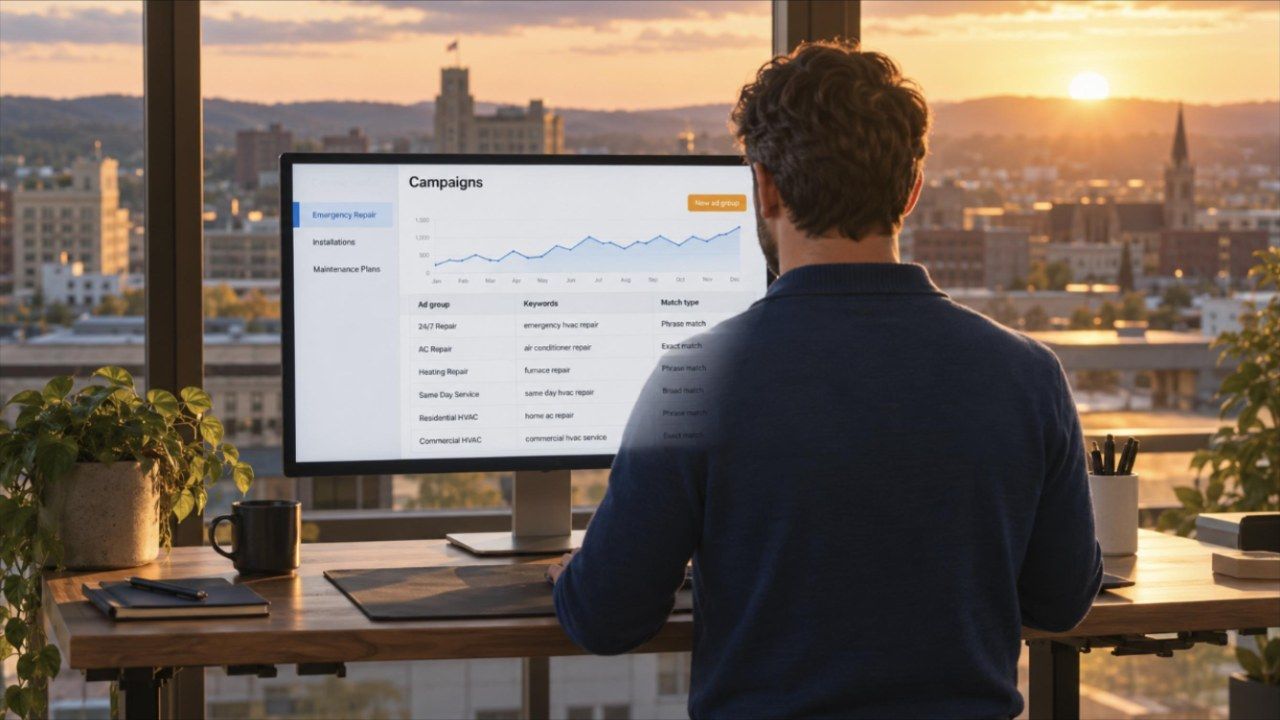
Google Ads campaign structure explained: when to split campaigns, how tight ad groups should be, which match types to use, and how audience targeting works.
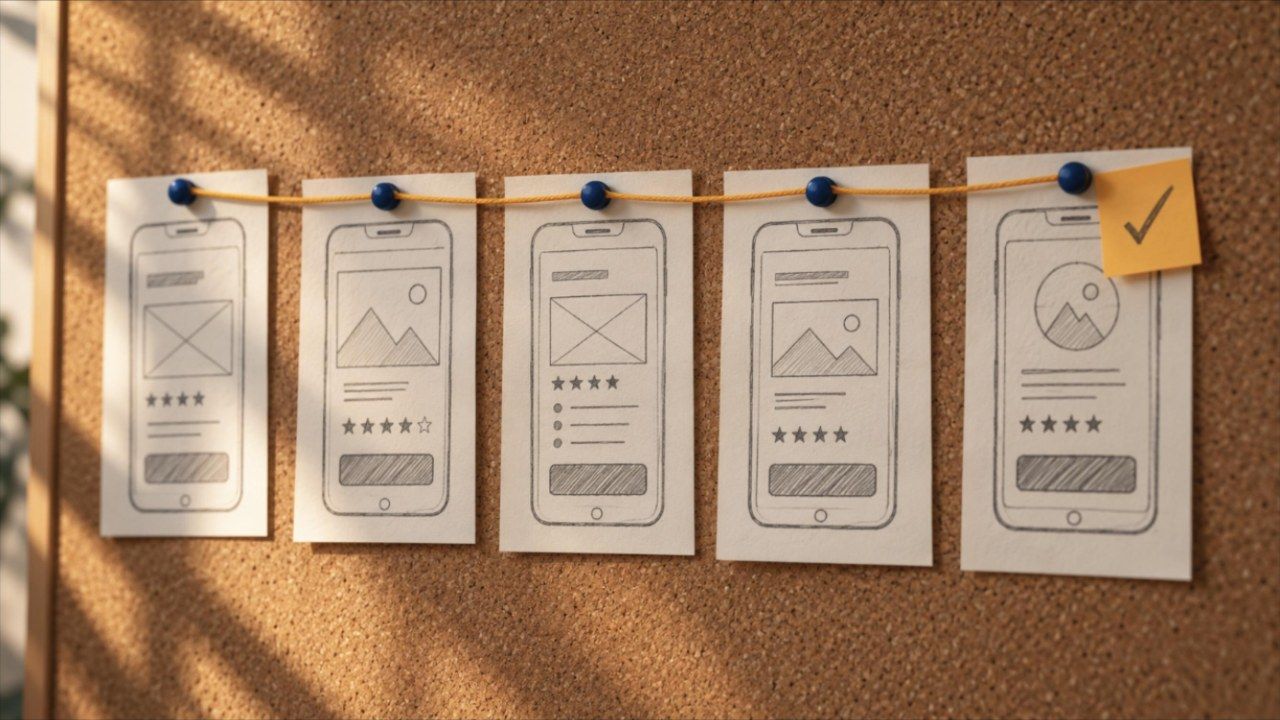
Conversion-focused web design explained: page order, messaging, phone-first layout, CTA design, short forms and landing pages that turn visits into leads.
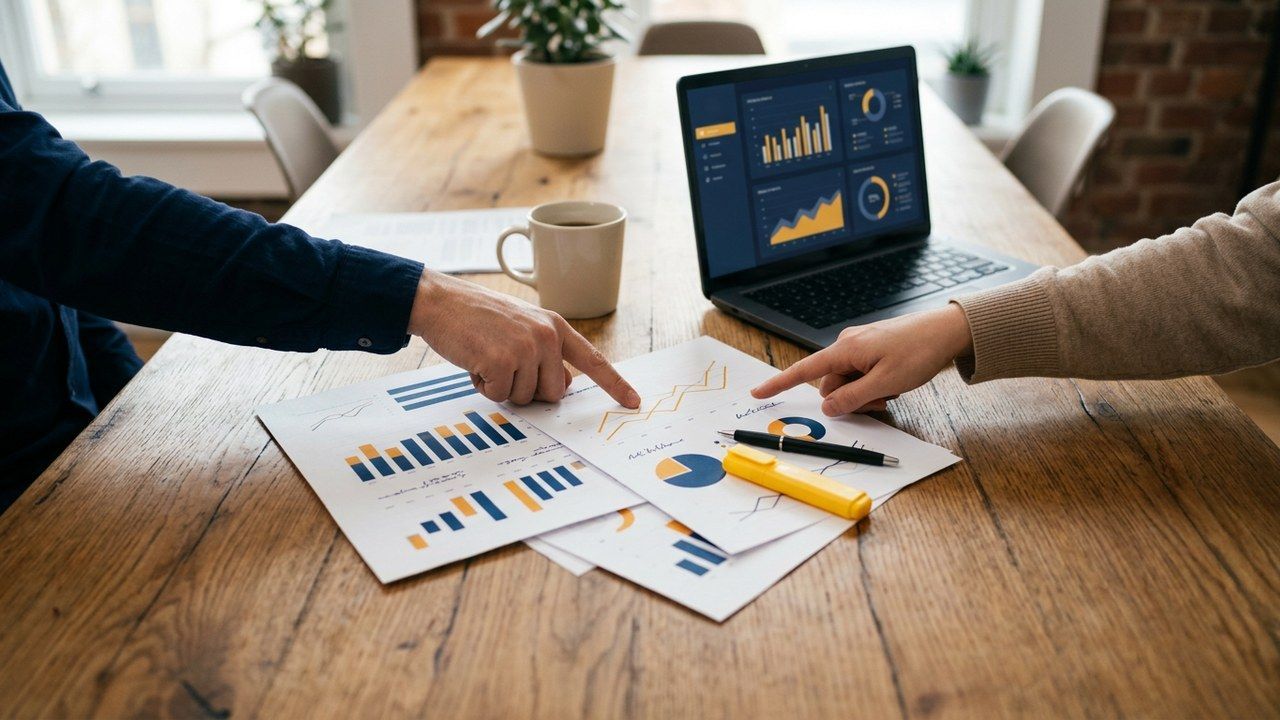
Marketing analytics for small business, explained: GA4 tracking, funnel KPIs, attribution, cost per lead, ROI and reports that turn data into decisions.
Google Ads for small business done right: structure, landing pages, conversion tracking, bidding, LSA and weekly optimization that turn clicks into real leads.
Small business SEO explained: on-page, link building, local Map Pack, technical SEO, E-E-A-T, AI answers and the KPIs that predict revenue for PA businesses.